People are initially attracted to an employer because of perks or brand names. But that’s not why they stay longer term.
They stay because of a great culture and for their leaders.
The leaders people stay for aren’t the loudest or the most visible—they’re the ones who consistently show up for their people.
From my experience as a senior leader and director within global corporations, I’ve seen first-hand that the leaders who inspire trust and motivation deliver stronger results over the long term. Leadership isn’t static. The same individual can experience highs and lows, pressure and uncertainty. Yet those who consistently succeed, have something in common: they are genuine people leaders.
They lead themselves as well as others.
What great leaders really understand
Effective leaders understand that their role isn’t just about targets, process, or performance metrics. It’s about creating the conditions where people can do their best work.
This includes:
- Building strong, cohesive teams
- Creating psychological safety and trust
- Fostering an environment where people feel safe to speak up, challenge, and contribute
Research consistently shows that teams with high psychological safety outperform those without it, particularly in complex and fast-moving environments. [Google Project Aristotle; Harvard Business Review]
These leaders are inclusive, courageous, and able to connect at a human level. They listen as much as they speak, and they recognise that engagement is built through everyday interactions, not grand gestures — a theme explored further in leadership coaching and employee engagement in retail.
The impact of people-centred leadership
When leaders create trust and safety, the outcomes are clear:
- Higher motivation and discretionary effort
- Stronger confidence within teams
- Greater resilience under pressure
- Improved performance over time
Studies show that employees who feel supported by their manager are significantly more engaged and far less likely to leave their organisation. [Gallup; CIPD]
This is why people don’t just leave jobs—they leave leaders.
Leadership presence is not automatic
Leadership presence doesn’t simply appear with a job title.
It requires:
- Reflection
- Self-awareness
- Honest feedback
- Conscious development
While empathy and a human-centred approach may come naturally to some, showing up as a confident, calm, and present leader, especially under pressure, takes practice.
Many leaders are promoted because they are technically strong or commercially capable. Far fewer are supported to develop the internal skills required to lead people effectively in today’s environment. [Deloitte; McKinsey & Company]
Why coaching makes the difference
Retail leadership coaching provides something most leaders rarely get:
- A non-judgemental space
- Honest reflection
- A mirror held up to reveal blind spots
It allows leaders to step out of constant delivery mode and reconnect with:
- Their values
- Their leadership purpose
- Their intrinsic motivation
Research shows that coaching improves self-awareness, confidence, leadership effectiveness, and retention, particularly for senior and high-potential leaders. [ICF; Harvard Business Review]
Coaching doesn’t tell leaders who to be. It helps them lead more intentionally as who they already are.
The bottom line
People stay where they feel:
- Seen
- Valued
- Supported
- Safe to be honest
They stay for leaders who:
- Show up consistently
- Lead with clarity and humanity
- Invest in their own development
Leadership is not about being perfect. It’s about being present, giving direction and making courageous decisions.
And that is why people stay.
References
-
Gallup – Manager Impact & Engagement
https://www.gallup.com/workplace -
CIPD – Leadership & Retention Research
https://www.cipd.org -
Harvard Business Review – Leadership & Psychological Safety
https://hbr.org -
Google Project Aristotle (Psychological Safety)
https://rework.withgoogle.com -
Deloitte – Leadership & Human Capital Trends
https://www.deloitte.com -
McKinsey & Company – Leadership Development
https://www.mckinsey.com -
International Coaching Federation (ICF)
https://coachingfederation.org
Your Next Step
If you’re ready to become the leader people want to stay for, let’s talk.
Book a Free 20-Minute Leadership Strategy Call
We’ll:
- Identify what’s blocking your leadership presence
- Explore how to create psychological safety in your teams
- Build a 30-day plan to strengthen your leadership impact
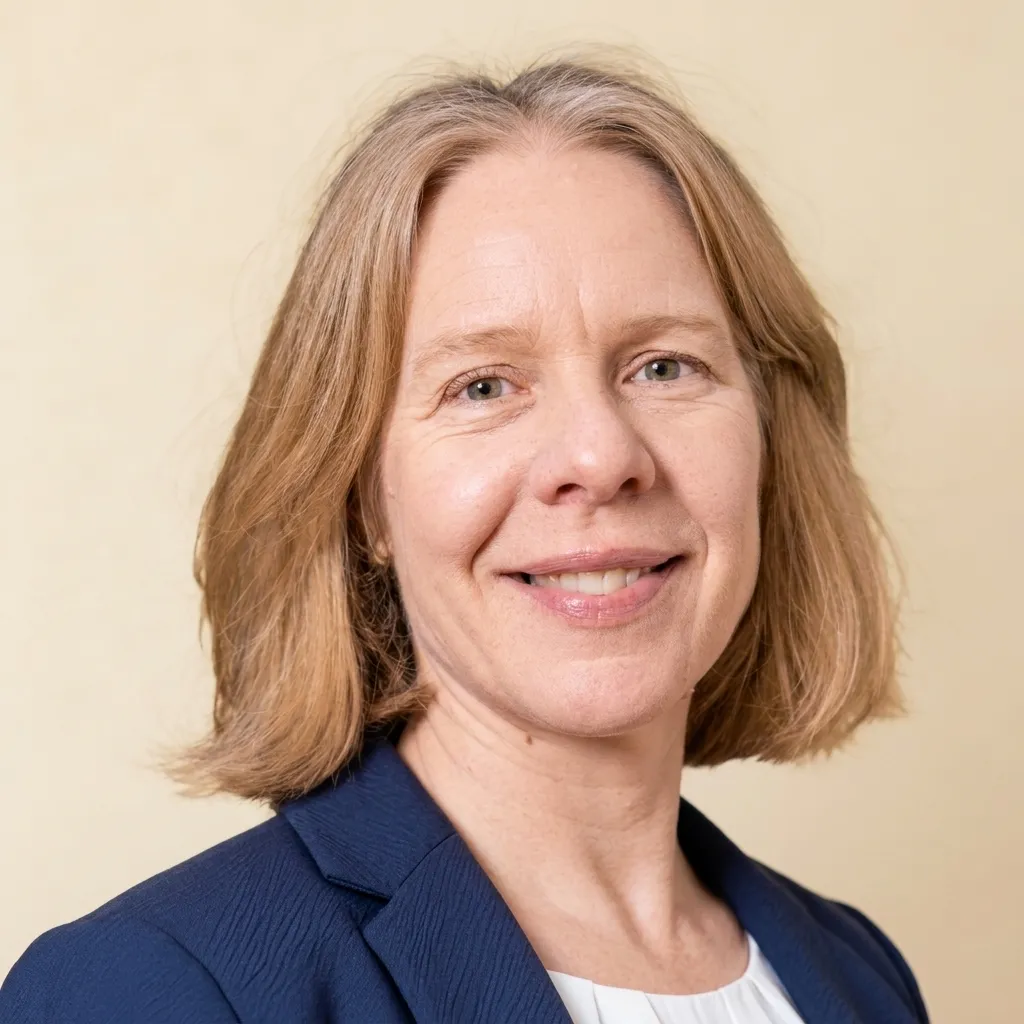
Ute Thomas is a former Regional Director at Lidl and ILM Level 7 certified executive coach specializing in burnout prevention and operational resilience for retail leaders.